Categories
Article by Elliot Tyler

The battle faced by former offenders to be ‘forgotten’

On any street in any city, town, or village, you will find people who have – as part of the trials and tribulations of life – suffered bankruptcy, divorce, alcoholism, drug dependency, dismissal from employment, and various types of disqualification. And in the UK there are 12 million people who have been convicted of a […]


Categories
Article by Elliot Tyler

Compassionate, front-line probation practice

I was delighted to read the recent announcement that the winner of the first-ever Mike Guilfoyle Prize, an essay competition celebrating the values of probation practice, was a colleague in my own probation region. Having encountered the late Mike Guilfoyle several times at criminal justice events – and having corresponded over email – it is […]

Categories
Article by Elliot Tyler

A brief history of electronic monitoring

In England and Wales, the practice of probation as a criminal sentence dates back to the 10th century, with Athelstan, an Anglo-Saxon King, enacting laws to allow individuals under the age of 15 to be supervised in the community as an alternative to the death penalty. Athelstan’s intervention has been described as the ‘rudimentary groundwork’ […]

Categories
Article by Elliot Tyler

The disproportionate impact of joint enterprise and youth justice responses

The legal doctrine of joint enterprise is a set of common law legal principles originating from Victorian times. A heavily criticised doctrine of collective punishment, joint enterprise is relevant in cases where two or more people are charged with offences, enabling a conviction when a criminal act has been committed by another person. The law […]

Categories
Article by Elliot Tyler

The legitimation of surveillance technology in the United Kingdom

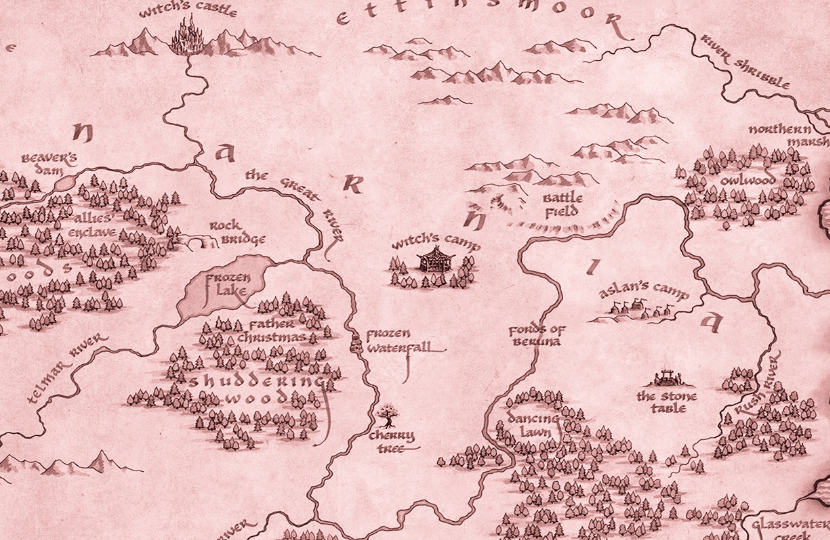
In C.S. Lewis’ fantasy novel series, The Chronicles of Narnia, an atmosphere of vigilance is delicately built by the author through a description of trees being spies for Jadis, the White Witch. The character Mr Tumnus insists upon speed and silence during a short journey, fearing the consequences of being surveilled by an unknown variable. […]

Categories
Article by Elliot Tyler

Joint Enterprise: Lowering the Bar

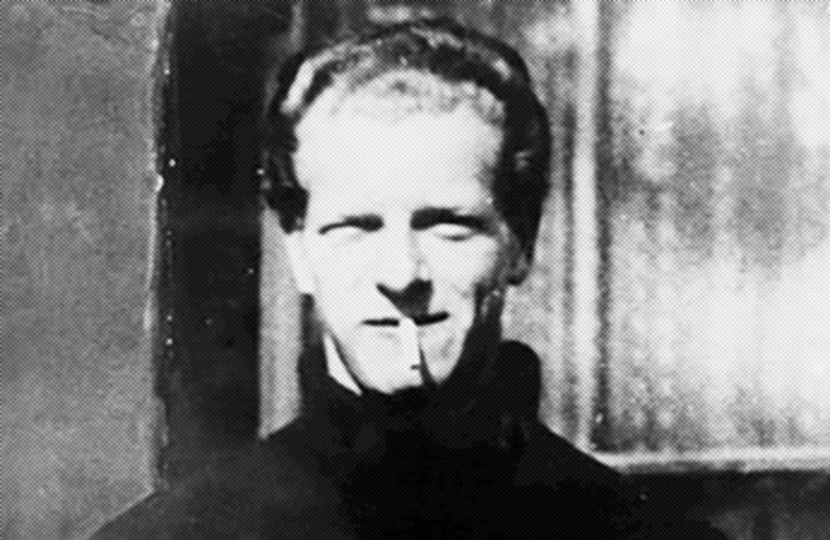
Seventy years ago, a man with learning difficulties said a four-word phrase (‘Let Him Have It’) and was subsequently sentenced to death. While that conviction for murder was later quashed, Derek Bentley’s hanging could hardly be reversed. His fate remains a grim reminder that under the legal doctrine of joint enterprise, a set of legal […]

Categories
Article by Elliot Tyler

The new regime of the Police and Crime Bill

The Police, Crime, Sentencing and Courts Bill is a huge piece of legislation that is designed to increase control over the people. The police bill’s origin, promising a ‘smarter approach‘, claims to deliver on Conservative manifesto commitments to keep the public safe. Now that Parliament has concluded a consideration of amendments, it’s expected to receive […]

Categories
Article by Elliot Tyler

‘Story first, politics second’

Jimmy McGovern knows his prisons: the landings, the noise, the drugs, and their problems. They are all vividly realised in his new drama Time, but what’s missing is the soul-sapping tedium of jail life. ‘There’s no boredom in the drama,’ he tells me. ‘In real life, there’s an immense amount of boredom; and, as with […]

Categories
Article by Elliot Tyler

The Judiciary is Afraid of Diversity

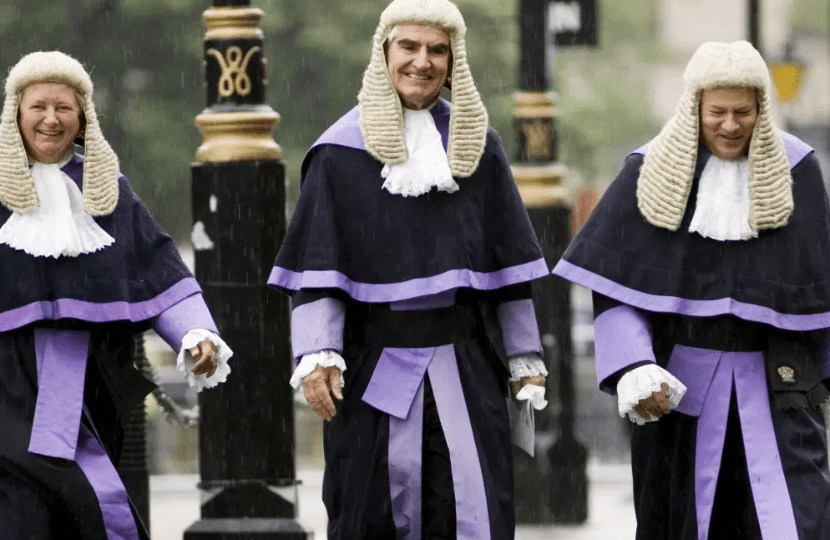
Contrary to popular belief, defendants in criminal trials can come from all walks of life. Some people accused of crimes might have grown up in poverty or spent their childhood years rotating around the country’s conveyor belt care system; however, others will have a university degree under their belt and may, though it is rarer […]

Categories
Article by Elliot Tyler

Holding Back The Vote

It took a long time for the majority of the adult population to receive a vote in British elections. Women were excluded from the electorate for over a century by a controversial definition of voters as ‘male persons’, and former soldiers were not allowed a say at one point. It was only after World War […]